

Napoli striker Romelu Lukaku recently opened up about his emotional state following Belgium’s disappointing exit from the 2022 World Cup in Qatar. Belgium, once considered a strong contender, failed to progress beyond the group stage, leaving fans and players alike heartbroken. Lukaku, who faced significant criticism during the tournament for missing several key chances, revealed that the weight of those expectations took a toll on him.
In interviews, Lukaku shared that he felt immense pressure to perform and contribute to his team’s success. The scrutiny from fans and the media was relentless, and the forward admitted that it affected his mental health. “I cried every day,” he stated, expressing how difficult it was to cope with the disappointment and the backlash. He emphasized the importance of mental well-being in sports, highlighting how athletes often deal with overwhelming emotions and public scrutiny.
Lukaku’s honesty about his feelings resonates with many, as mental health in sports has become an increasingly important topic. His experience sheds light on the often-overlooked struggles athletes face, even when they are at the pinnacle of their careers. Moving forward, Lukaku is focused on channeling his emotions into his performance with Napoli, where he aims to contribute positively and regain his confidence. As he continues to navigate the pressures of professional football, he hopes to inspire others to speak out about their mental health challenges.
Romelu Lukaku recently opened up about the profound emotional impact football has had on him following Belgium’s early exit from the 2022 World Cup in Qatar. In a candid reflection, he stated, « It was the first time in 29 years that football touched me. I had never thought about depression, but I cried every day for weeks, even on holiday. » This admission highlights the mental toll that high-pressure sports can take, especially when expectations are not met.
Lukaku’s struggles were compounded by the scrutiny he faced after missing crucial chances during the tournament. The Belgian striker revealed that he received support from friends and family, including former teammate Thierry Henry, who reached out to him multiple times a day. Despite this support, Lukaku felt overwhelmed and needed space to process his emotions. « My mother and the children were in Milan, but I had no strength. I needed to be alone for a while, » he explained, underscoring the isolation that can accompany such intense pressure.
The importance of mental health in sports has sparked increasing conversations in recent years, and Lukaku’s experience brings this issue to the forefront. Athletes often face immense pressure to perform, and when they fall short, the consequences can extend beyond the field. Lukaku’s vulnerability serves as a reminder that even elite athletes are not immune to feelings of sadness and despair.
Since joining Napoli, Lukaku has been working hard to channel his emotions into his performances. This season, he has played six matches across all competitions, scoring three goals and providing five assists. His contributions have been significant, and he is quickly establishing himself as a pivotal player for the club. Fans have welcomed him warmly, and his on-field chemistry with teammates is evident.
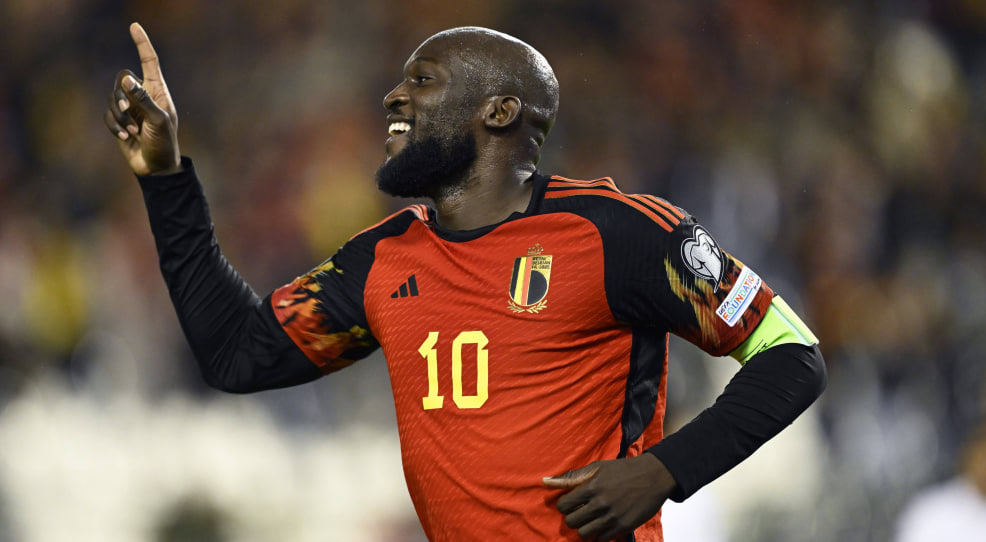
According to Transfermarkt, Lukaku’s market value currently stands at €30 million, reflecting his status as one of the top forwards in Europe. This valuation is indicative of his potential and the impact he can have on Napoli’s season. The club is aiming to compete for the Serie A title, and Lukaku’s experience and talent will be crucial in their pursuit of success.
As he continues to settle into his role with Napoli, Lukaku is not just focused on individual achievements but also on contributing to the team dynamic. He understands the importance of unity and teamwork, especially as the club aims to challenge for major trophies. The striker’s journey serves as an inspiring reminder that overcoming personal struggles can lead to greater resilience both on and off the pitch.
Looking ahead, Lukaku aims to build on his current form and help Napoli achieve their goals for the season. By embracing his past experiences and using them as motivation, he hopes to inspire others facing similar challenges. The dialogue around mental health in sports is crucial, and as more athletes like Lukaku share their stories, it fosters a culture of openness and support within the sporting community.
In conclusion, Romelu Lukaku’s reflections on his emotional journey post-World Cup illustrate the complex relationship between mental health and professional sports. His ability to confront these challenges head-on not only speaks to his character but also to the broader need for awareness and support in the world of athletics. As he continues to excel on the field, Lukaku’s story serves as a beacon of hope for many, emphasizing that vulnerability can coexist with strength and resilience.


